Curbside Pickup for Bulky Items Made Simple
- Fabian null
- 1 day ago
- 6 min read
That old couch can sit in a garage for months because getting it out feels like a bigger job than buying the replacement. Curbside pickup for bulky items can be a practical answer, but only when you know your local rules, prepare the item properly, and have enough help to move it safely.
A bulky-item pickup is not the same as regular trash day. Cities, waste providers, and private haulers often set limits on what they will take, how much they will take, and where it must be placed. A little planning keeps your cleanup from turning into a heavy-lifting problem that is still sitting at the curb next week.
How Curbside Pickup for Bulky Items Usually Works
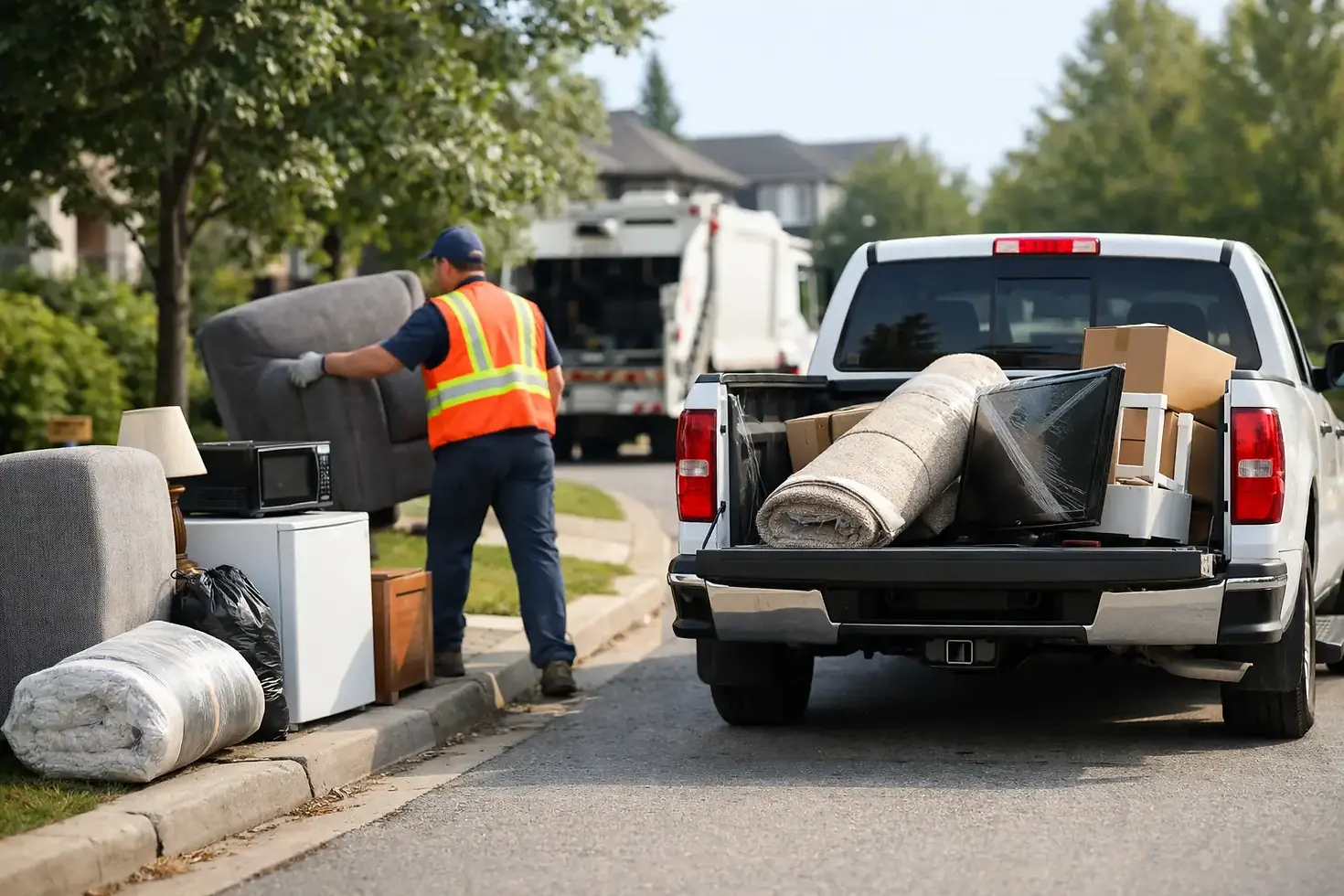
Bulky items are the things that will not fit in your normal trash bin: couches, mattresses, recliners, tables, appliances, exercise equipment, large rugs, and broken furniture. Some communities include a limited number of pickups with residential waste service. Others require you to schedule and pay for the pickup ahead of time.
Before moving anything, check the rules for your address. The details matter. Your provider may have a maximum number of items, a weight limit, an approved pickup day, or a required placement time. Some will collect a sofa but not a sleeper sofa. Others accept a mattress only if it is wrapped. Appliances may need special handling because of refrigerants, fuels, batteries, or other materials that cannot go into the standard waste stream.
Do not assume that putting an item beside the bin means it will be taken. If it is not scheduled, too large, improperly prepared, or on the prohibited list, it can be left behind. That can lead to a blocked driveway, a frustrated neighbor, or a notice from your property manager or city.
Know the Difference Between Collection and Removal
Municipal bulky pickup is generally a collection service. You get the item to the designated curbside location, then the truck takes it away. That works well if the item is already outside, you can move it without injury, and your pickup date is soon enough for your project.
A hauling service handles the work differently. The crew can carry the item out from a basement, apartment, garage, backyard, or office, load it, and take it away. That is often the better route when there are stairs, tight hallways, bad weather, multiple heavy items, or no extra hands available.
The right choice depends on the job. Curbside collection may cost less for one approved item that you can safely move. Full-service removal is often worth it when the real challenge is getting that item to the curb in the first place.
What to Check Before You Set Anything Out
Start with your local waste provider's accepted-items list. It is the fastest way to avoid wasted effort. Pay special attention to mattresses, box springs, appliances, televisions, computers, tires, construction debris, paint, chemicals, propane tanks, and batteries. These items are commonly restricted or require a separate drop-off program.
If you are booking a pickup, ask whether the service needs an item description or photos. Be specific. “Couch” and “large sectional with recliner pieces” are not the same load. Accurate details help prevent surprises on pickup day and help you understand the price before anyone arrives.
It also pays to think about condition. A clean, usable dresser or dining table may be worth donating or giving away rather than disposing of it. On the other hand, furniture with mold, pests, broken frames, heavy staining, or water damage is usually better handled as junk. Be honest about its condition. Leaving a damaged item out with a “free” sign can create more mess, not less.
Prepare Bulky Items Without Creating a Bigger Mess
Good preparation makes pickup faster and safer. Empty drawers, cabinets, and storage compartments before putting furniture out. Remove loose cushions from sofas if they could blow away or get wet. Tie doors shut on cabinets when possible, and secure any moving parts on exercise equipment.
Mattresses are a common trouble spot. Many providers require a protective bag or cover to keep workers safe and prevent contamination. If your local rules call for wrapping, do it before the mattress goes outside. A wet mattress is harder to handle, heavier than it looks, and far less likely to be accepted for donation or reuse.
For appliances, unplug them well ahead of time and remove all food from refrigerators and freezers. Let them dry out with the doors open for a while, then secure the doors for transport if required. Never try to drain refrigerant or take apart an appliance with sealed cooling components yourself. Certain items need trained handling and an approved disposal route.
Break down what you safely can, but do not turn a simple pickup into a demolition project. Removing table legs or taking apart a bed frame can save space. Smashing particleboard furniture into loose pieces usually creates sharp edges, scattered debris, and extra cleanup. Keep hardware in a bag if the item is being donated or moved, and keep broken pieces contained if it is being discarded.
Place Items Where Crews Can Reach Them
Curbside means curbside, not the middle of the sidewalk, the alley entrance, or behind a parked vehicle. Place items in the location your provider specifies, leaving clear access for people, strollers, vehicles, and regular trash collection. Keep bulky items away from utility boxes, fire hydrants, mailboxes, and overhead lines.
Do not set items out days too early unless your local rules allow it. A couch left outside through rain or snow can become much heavier, fall apart, or attract scavenging. Wind can spread loose material across the street. In neighborhoods with shared bins, apartments, or tight parking, early placement can cause problems fast.
If you live in an apartment or condo, check with the property manager before scheduling anything. Buildings often have designated collection areas and rules about when large items can be left outside. A tenant move-out is especially time-sensitive, so do not wait until the last hour to decide how the old furniture is leaving.
Protect Your Back and Your Property
The most expensive part of a bulky item can be the injury that happens while moving it. Sofas, dressers, and treadmills are awkward even when they are not especially heavy. Their weight shifts, corners catch on walls, and stair landings leave little room to turn.
Use a dolly, furniture straps, gloves, and at least one capable helper when moving large items. Clear the route first. Measure narrow doorways and stairwells rather than forcing the piece through and damaging the trim, the item, or yourself. If you need to tilt, carry downstairs, or maneuver around a tight corner, stop and decide whether full-service hauling makes more sense.
No one gets a prize for wrestling a sleeper sofa down basement stairs alone.
When Full-Service Hauling Is the Better Call
Curbside programs are useful, but they have limits. They may not take renovation debris, mixed garage clutter, piles of bagged junk, or several rooms of old furniture. They also do not solve the labor issue for homeowners who cannot lift, renters on upper floors, landlords clearing a unit, or small businesses cleaning out storage.
That is where a local crew can save real time. Instead of renting a truck, borrowing a trailer, finding helpers, and making multiple disposal runs, you can have the load removed in one visit. Grunts Hauling Junk provides that kind of muscles-on-demand help for Regina-area cleanouts, furniture removal, small moves, and light hauling jobs.
A professional haul-away service is also useful when you need a firm arrival window. If you are preparing for a move, listing a home, finishing a renovation, or turning over a rental, waiting for the next municipal collection date may not fit the schedule. Paying for removal can be the practical choice when speed, access, and heavy lifting are part of the job.
Keep Disposal Responsible
Throwing everything away is not always the best answer. Usable furniture, working appliances, and clean household goods may have a second life through donation, resale, or reuse. Metal, electronics, and certain appliances can often be recycled through the proper channels.
Still, responsible disposal does not mean storing broken junk forever while you search for the perfect option. Separate what is reusable from what is truly finished, then choose the fastest approved route for each. A clear garage, empty spare room, or cleaned-out rental is more useful than a pile of “maybe someday” items.
When your bulky item is ready to go, make the decision based on the whole job - not just the truck at the curb. If you can safely move one accepted item and your pickup date works, curbside collection may be all you need. If the job involves stairs, a packed room, a tight deadline, or more lifting than you want to take on, getting capable help is a smart way to put the clutter behind you.



Comments