
How to Schedule Bulk Item Removal Without Hassle
- Fabian null
- Aug 3
- 6 min read
That old sectional in the basement, a garage full of renovation leftovers, and a few broken appliances can turn into a bigger job than expected fast. Knowing how to schedule bulk item removal means you can clear the space without borrowing a truck, risking an injury, or spending your whole weekend hauling heavy loads.
For most households and small businesses, the best approach is simple: get clear on what needs to go, choose a pickup time that works, and have a reliable crew handle the lifting. A little preparation makes the process faster, keeps pricing straightforward, and gets clutter out of your way for good.
Start by Defining the Size of the Job
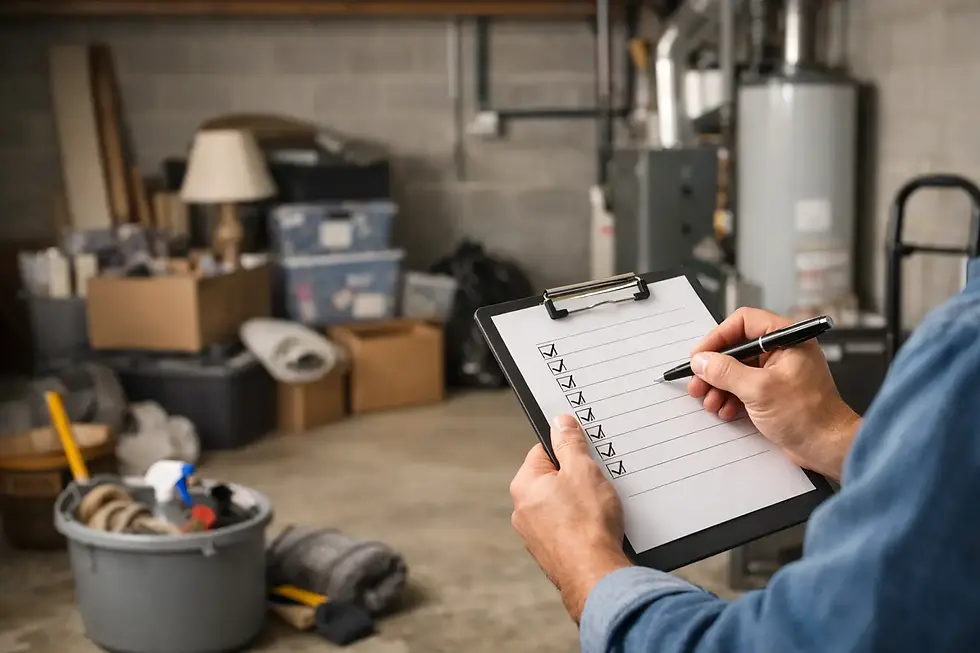
“Bulk items” can mean one oversized couch or an entire property cleanout. Before you book, take a quick walk through the area and identify everything you want removed. This helps the hauling company send the right crew, bring enough truck space, and give you a more accurate estimate.
Group items by location if they are spread around the property. For example, you may have a mattress and dresser upstairs, old paint cans in the garage, and a pile of yard debris behind the shed. You do not need to move everything to the curb unless requested, but knowing where it is lets the crew plan for stairs, tight hallways, gates, and other access issues.
Photos are especially helpful for larger jobs. Take a few clear pictures that show the full pile, not just individual items. Include larger pieces such as furniture, appliances, exercise equipment, construction materials, or bulky outdoor items. If you are unsure whether something can be hauled away, ask when you request your quote.
Decide What Stays Before the Crew Arrives
Bulk removal moves quickly once the job starts. The easiest way to avoid mistakes is to separate what is staying from what is going before your appointment.
Put smaller items you want to keep in a closed room, on a table, or in a clearly marked area. If you are clearing a storage room, garage, rental unit, or office, use simple labels such as “KEEP” and “REMOVE.” This is particularly useful when family members, tenants, employees, or contractors are involved.
Take a final look through drawers, cabinets, pockets, and storage bins. Check for documents, keys, cash, jewelry, medication, family photos, and anything else that should not leave with the junk. Hauling crews work hard and move fast, but the final decision on what goes is yours.
How to Schedule Bulk Item Removal at the Right Time
The best appointment time depends on the kind of cleanup you are tackling. If you are preparing for a move, schedule removal before the movers arrive or before your final cleaning. If you are finishing a renovation, wait until the contractors are done creating debris. For a rental turnover, plan pickup after the tenant has fully moved out and you have inspected the unit.
Try not to leave the job until the last possible day. Same-day or next-day service may be available depending on the schedule, but booking ahead gives you more choice. It also gives you time to sort items and avoid paying to remove things you later realize you needed.
When you call, text, or book online, be ready to share the basics: what needs to be removed, roughly how much there is, where it is located, and when you need it gone. Mention special access details upfront, such as an apartment floor with no elevator, a narrow stairway, a locked gate, limited parking, or a long walk from the truck to the items.
For most jobs, someone should be available at the start of the appointment to point out the items and approve the work. If you cannot be there, ask about options for remote estimates, access instructions, and payment arrangements before booking.
Ask for Clear Pricing, Not a Guess
Nobody wants a surprise bill after a cleanup. A good bulk removal quote should account for the amount of space your items take up, the type of materials involved, labor, and disposal requirements. A single recliner is different from a packed garage, and a pile of clean household goods is different from heavy construction debris.
Be honest about the scope of the job when you request pricing. Leaving out a second room, a heavy appliance, or a large backyard pile can change the estimate once the crew arrives. If you have photos, send them. If the pile is still growing because of a renovation or move, say so.
It is also smart to ask what happens if the job is larger or smaller than expected. A dependable local company will explain how pricing works before the work begins. That way, you can decide whether to remove everything at once or tackle the project in phases.
The lowest advertised price is not always the lowest final cost. Factor in truck rental, fuel, dump fees, time off work, and the physical effort of loading heavy items yourself. Professional removal is often the better value when the job involves stairs, bulky furniture, several loads, or items that need responsible disposal.
Make Pickup Day Easy on Everyone
You do not need to do the heavy lifting. That is the point of hiring muscles on demand. Still, a few simple steps can help the crew finish faster and protect your property.
Clear a path from the items to the nearest exit. Move vehicles if they block the driveway, unlock gates, secure pets, and let the crew know about icy walkways, loose steps, low ceilings, or fragile surfaces. If an item needs to come apart to fit through a doorway, mention it before work begins.
For outdoor piles, keep materials as dry and accessible as possible. Wet cardboard, loose debris, and buried items take longer to load. If weather is rough, ask whether the appointment needs any special preparation. A professional crew can work through plenty of conditions, but safety comes first.
If you live in a condo, apartment, or managed commercial building, check the building rules before scheduling. Some properties require elevator reservations, loading-zone access, proof of insurance, or specific pickup hours. Sorting this out early prevents delays on removal day.
Know Which Items May Need Special Handling
Most common household and business clutter can be removed, including couches, mattresses, tables, shelving, old electronics, appliances, boxes, yard waste, and renovation debris. However, certain materials may need special disposal or may not be accepted as part of a regular junk load.
Hazardous items are the main concern. This can include chemicals, gasoline, propane tanks, pesticides, explosives, and some paints or automotive fluids. Refrigerators, freezers, air conditioners, and other appliances may also require specific handling because of refrigerants. Tell the hauling company about these items before booking so they can explain the safest option.
Do not hide hazardous materials in bags, boxes, or under other junk. That creates a safety problem for the crew and can lead to extra disposal charges. Clear information is the fastest way to get the job done right.
Consider Donation and Responsible Disposal
Not everything you no longer need belongs in a landfill. If furniture, household goods, or office equipment are clean and in usable condition, ask whether donation or recycling options are available. Metal, electronics, cardboard, and some appliances may be handled differently from general trash.
There is a trade-off here. Sorting reusable items can take extra time, and not every item is accepted by donation organizations. But when it makes sense, responsible disposal keeps useful goods in circulation and reduces unnecessary waste. For a large cleanout, tell the crew which items you believe may still have life left in them.
At Grunts Hauling Junk, the goal is straightforward: remove the hard work from your cleanup while handling unwanted items responsibly whenever possible. Local service also means you can get a direct answer about timing, access, and the actual scope of your job instead of dealing with a one-size-fits-all process.
Book Before the Clutter Becomes a Bigger Project
The hardest part of bulk removal is usually not the booking. It is letting the pile sit until it blocks a room, delays a move, or turns a simple cleanup into an overwhelming project. Once you know what is going and when you need it gone, scheduling is a practical next step.
Take a few photos, choose a pickup window, and be upfront about the job. Then let a fast, friendly, reliable crew take care of the loading. Your space should work for you, not for the clutter waiting to be removed.


Comments