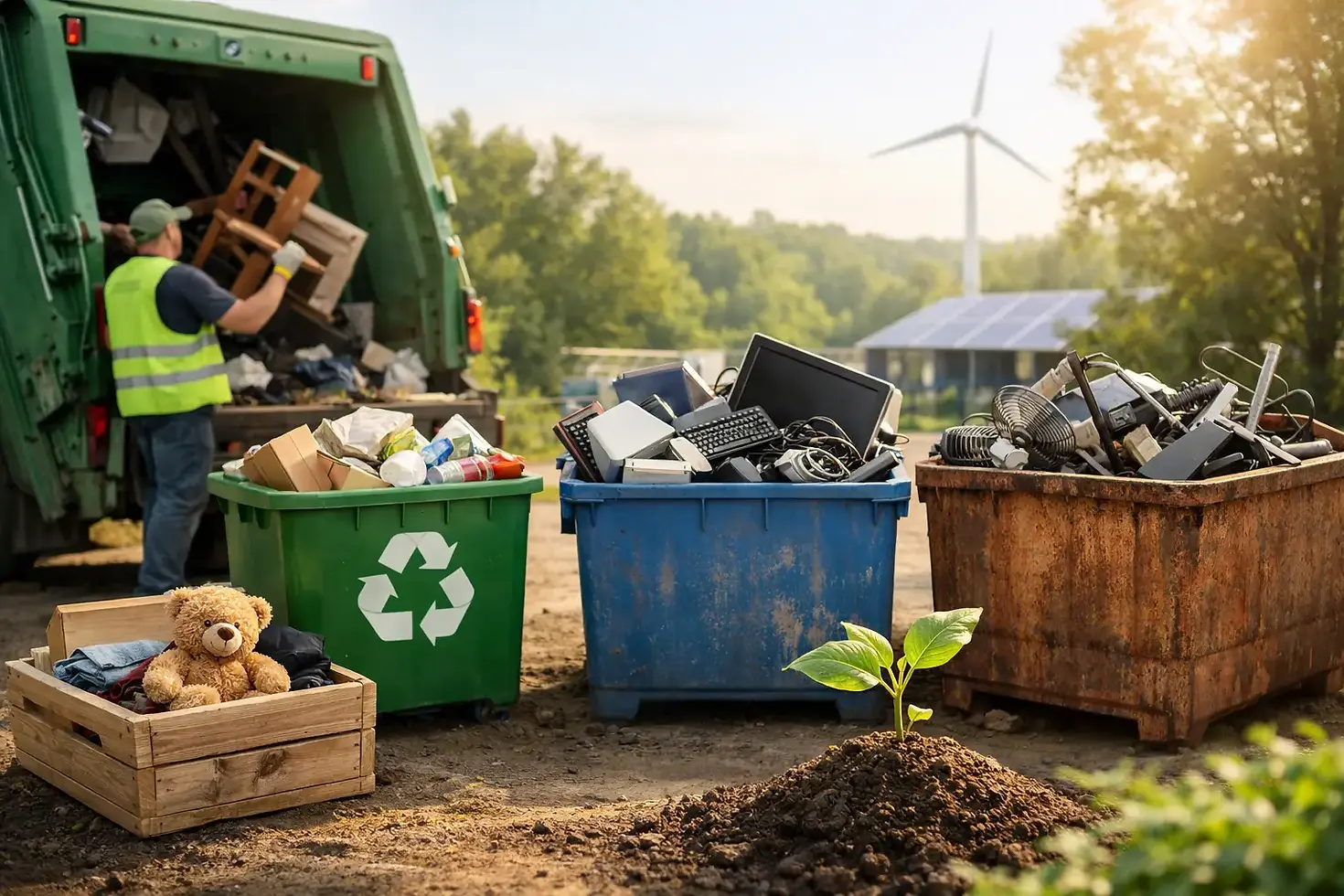
Eco Friendly Junk Disposal That Works
That old couch in the basement, the busted desk in the garage, the pile of renovation scraps out back - most people just want it gone. But eco friendly junk disposal is not just about getting rid of stuff fast. It is about getting it out of your way without sending everything straight to the landfill when some of it can still be reused, recycled, or handled more responsibly.
For homeowners, landlords, and small business owners, that matters for a simple reason. Waste adds up fast. One cleanup project can leave you with furniture, cardboard, metal, electronics, yard debris, and plain old junk all mixed together. If it all gets tossed in one load, useful materials get buried with the rest. A better approach takes a little more effort, but it cuts waste, keeps more items in circulation, and usually leaves you with a cleaner, more organized result.
What eco friendly junk disposal really means
A lot of people hear the phrase and picture a complicated process with extra time, extra rules, and extra cost. In real life, it is much more practical than that. Eco friendly junk disposal means sorting materials before they are dumped, identifying what can be donated, separating recyclables from true garbage, and making sure problem items are handled the right way.
That does not mean every item gets saved. Some things are too damaged, too dirty, or too far gone to be reused. A moldy mattress, soaked particleboard furniture, or contaminated construction debris may still need to be trashed. The point is not perfection. The point is keeping reusable and recyclable items out of the landfill when there is a reasonable alternative.
Why the landfill-first approach costs more than people think
When junk disappears from your property, it is easy to assume the job is done. But where it ends up still matters. Landfills fill space quickly, usable materials get wasted, and certain items can create bigger disposal issues later.
There is also a cost on the customer side. If you throw everything together, you lose the chance to donate usable furniture, recycle scrap metal, or separate items that can be accepted by specialized facilities. That can turn a manageable cleanout into a heavier, dirtier, more expensive load.
For landlords and property managers, this is especially common during move-outs. One tenant leaves behind furniture, clothing, broken shelving, food waste, and random garage junk. If nobody sorts the load, the whole thing gets treated like garbage. That is faster in the moment, but not always smarter.
The first step in eco friendly junk disposal is sorting
The biggest difference between responsible disposal and careless dumping usually comes down to sorting. Not fancy sorting. Just basic separation that makes the next step possible.
Furniture in decent shape may be reusable. Appliances and scrap metal often have recycling value. Cardboard, some plastics, and clean wood may be accepted separately from mixed junk. Electronics should not be lumped in with household trash because they often require special handling.
This is where many DIY cleanouts get stuck. People have the motivation to clear space, but not the truck, time, labor, or disposal know-how to sort and haul everything properly. That is how clutter sits for months, or gets loaded once and dumped all together just to be done with it.
What can often be reused or recycled
A surprising amount of junk is not really junk. It is just unwanted in its current location.
Couches, tables, dressers, shelving, and home decor may still have life left if they are structurally sound and reasonably clean. Office furniture can sometimes be reused even when a business remodels. Metal bed frames, bikes, tools, and appliances often contain recyclable material. Yard waste may also need a different disposal path than household garbage.
Then there are items that need special attention. Paint, chemicals, batteries, and electronics should never be treated like ordinary trash. These items depend on local disposal rules and approved drop-off options. That is one area where eco friendly junk disposal is less about convenience and more about doing the job safely.
When eco friendly junk disposal depends on item condition
Not every load is the same, and that is where a little honesty helps. Some customers expect every item to be donated or recycled. That is not always realistic.
Condition matters. A clean dresser with minor wear is different from one swollen with water damage. A working appliance is different from one leaking fluids. A tidy pile of lumber offcuts is different from a mixed heap of rotten wood, insulation, and nails.
That is why the best results usually come from looking at the load item by item, not making one blanket decision for the whole job. Some items can be diverted from the landfill. Some cannot. Responsible disposal means knowing the difference and not pretending every piece of junk has a second life.
The problem with doing it all yourself
There is nothing wrong with a DIY cleanup if you have the time, help, and vehicle for it. But eco friendly junk disposal gets harder when the job is bigger than a few bags and boxes.
Heavy furniture can be awkward and unsafe to move. Multiple dump runs eat up your weekend. Recycle depots, donation centers, and disposal sites may all take different materials, which means more driving and more sorting. If you are already juggling work, family, tenants, or a renovation, that kind of project drags on fast.
This is where hiring local help makes sense. A hauling crew can do the lifting, load efficiently, and sort materials with disposal in mind instead of just speed alone. For many customers, that is the difference between a cleanup that keeps getting delayed and one that is actually finished.
Why local hauling can be the better fit
Big national companies often sell convenience, but local service usually brings better flexibility. A local crew understands the area, can move faster, and tends to care more about reputation because their name stays in the community.
That also matters for eco friendly junk disposal. Responsible hauling is not just about tossing items in a truck. It is about handling cleanouts with some judgment. What can be reused? What can be separated? What has to be dumped? A local, hands-on company is often better positioned to make those calls than a one-size-fits-all operation working through volume.
For customers, the benefit is simple. You get less stress, less heavy lifting, and a better shot at keeping usable material out of the landfill without paying inflated prices for the privilege. That is part of why companies like Grunts Hauling Junk focus on both affordability and responsible disposal. People want the job done fast, but they also want to feel like the cleanup was handled the right way.
How to make your next cleanup greener without making it harder
If you want a cleaner property and a cleaner disposal process, start before the truck shows up. Pull out anything that is clearly reusable, like furniture in good shape, unopened household goods, or equipment that still works. Keep hazardous items separate. If possible, group metal, cardboard, electronics, and yard waste apart from general trash.
You do not need a perfect system. Even basic separation helps. It gives you or your hauler a better chance to route materials the right way and avoid turning the whole load into landfill waste.
It also helps to be realistic about what you are keeping. A lot of clutter sticks around because people mean to repair it, sell it, or donate it someday. If it has sat untouched for a year and you still do not want it, it is probably time to move it out.
Eco friendly junk disposal is really about better decisions
At the end of the day, most people are not looking for a lecture on waste management. They want a clean garage, an empty rental unit, a cleared office, or a backyard they can use again. Eco friendly junk disposal works when it supports that goal instead of complicating it.
That means getting rid of junk quickly, sorting what makes sense, recycling and donating what you reasonably can, and disposing of the rest responsibly. Not every item can be saved. Not every load will be mostly recyclable. But better decisions at pickup time make a real difference.
If you are staring at a growing pile of junk, the best move is usually the simplest one - stop letting it sit. Clear the space, handle the load responsibly, and make room for something better.


Comments